2026 Kemp Award Recipient: Sarah Hancock
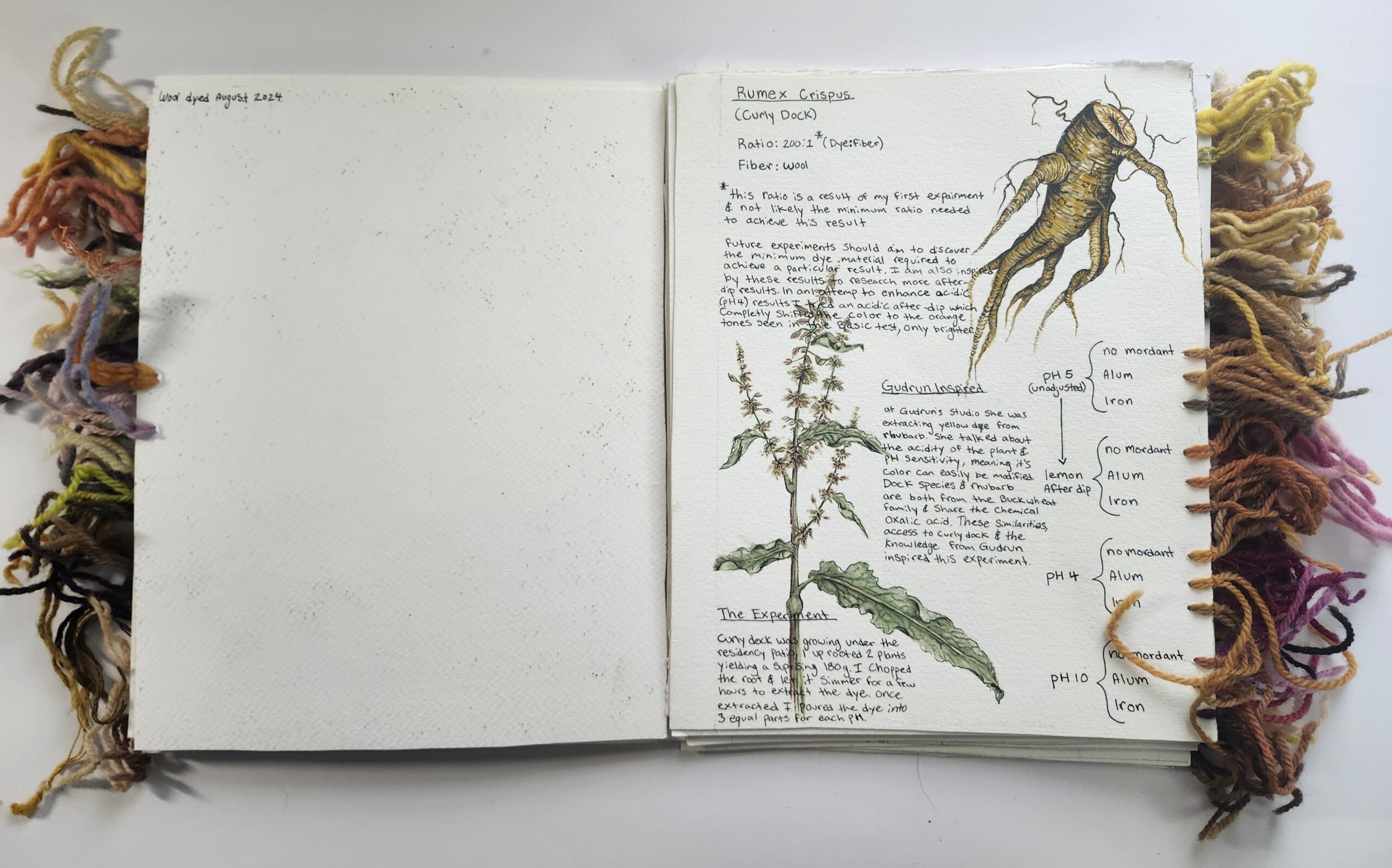
Sarah Hancock
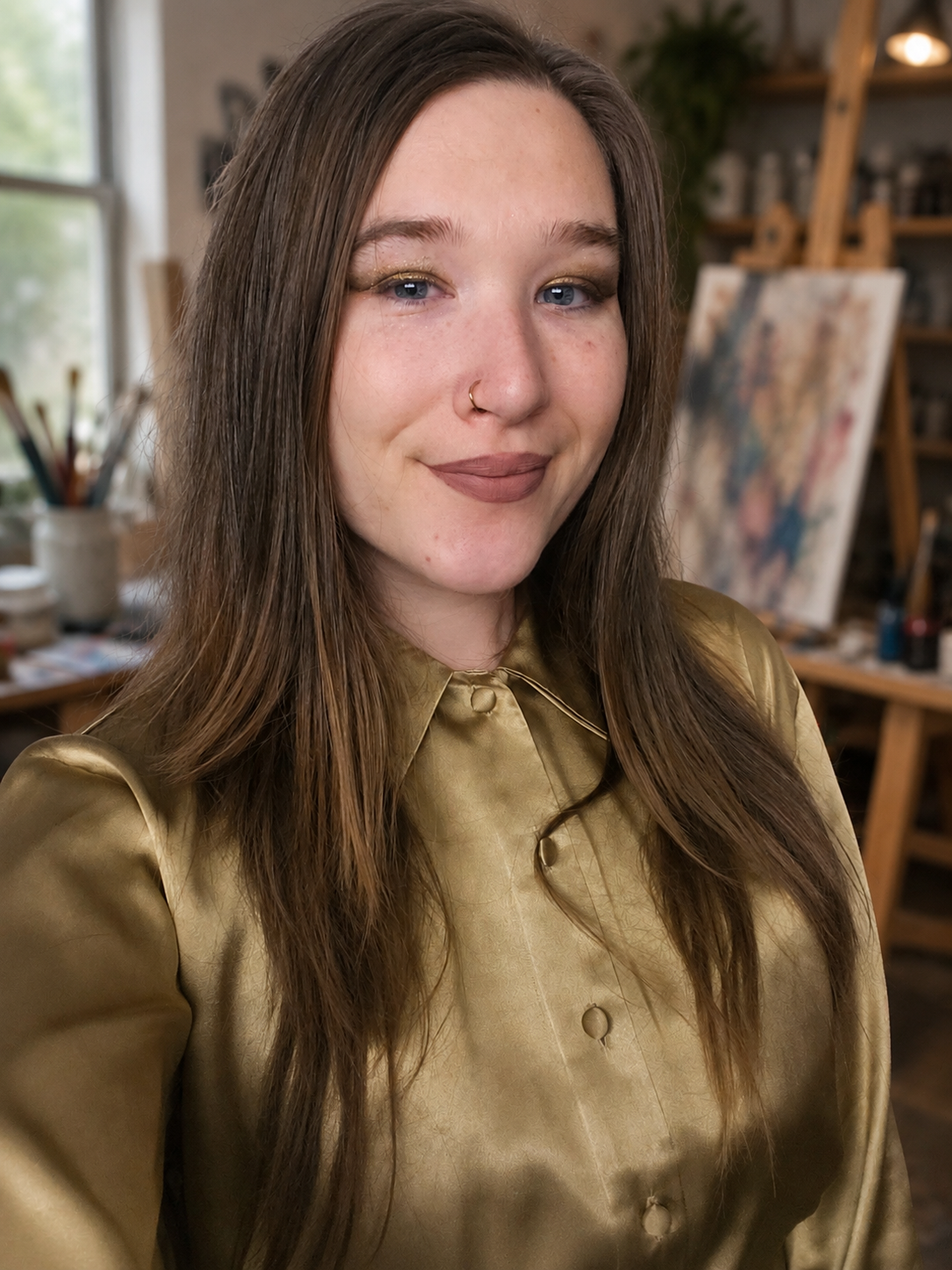
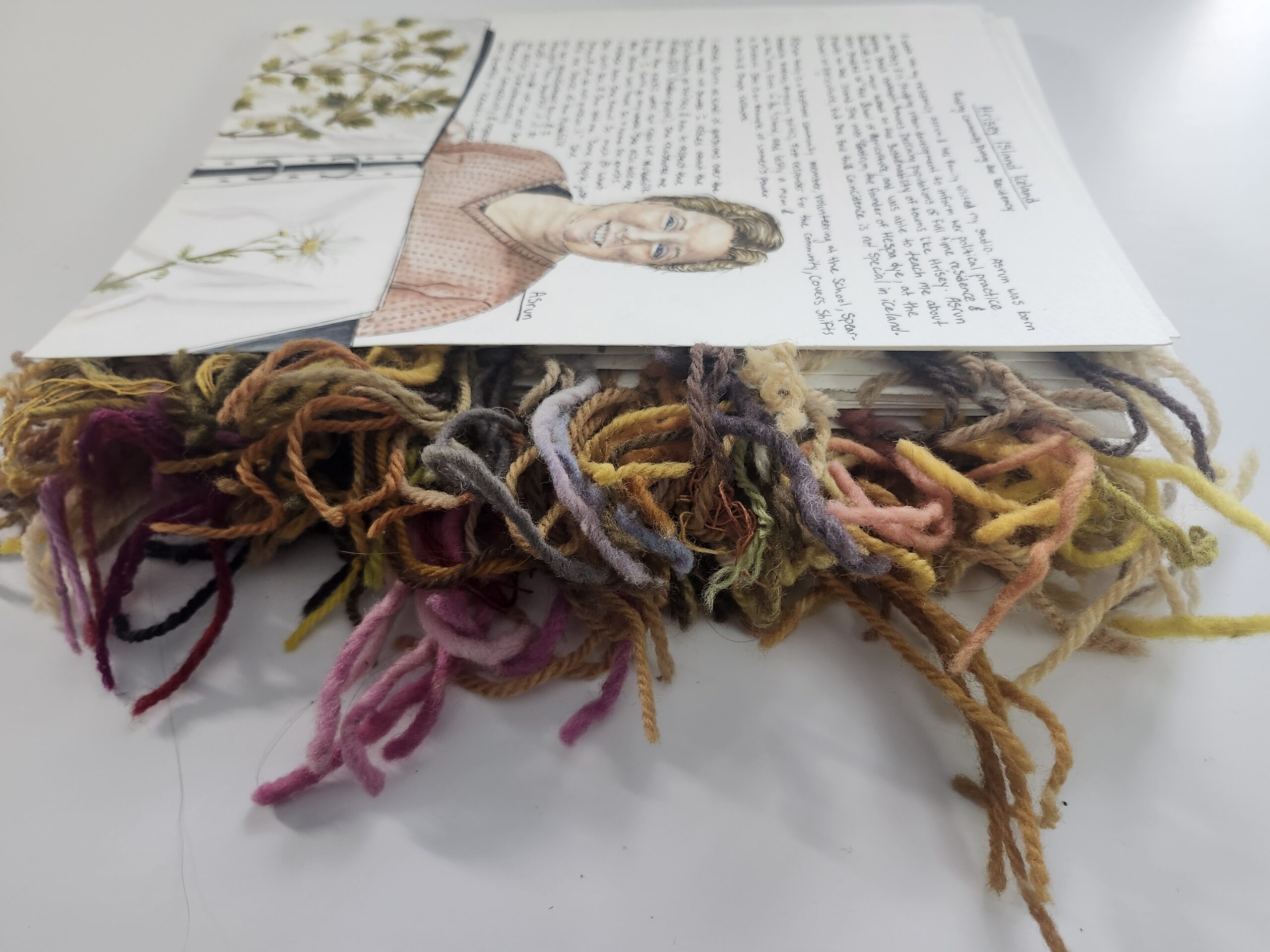
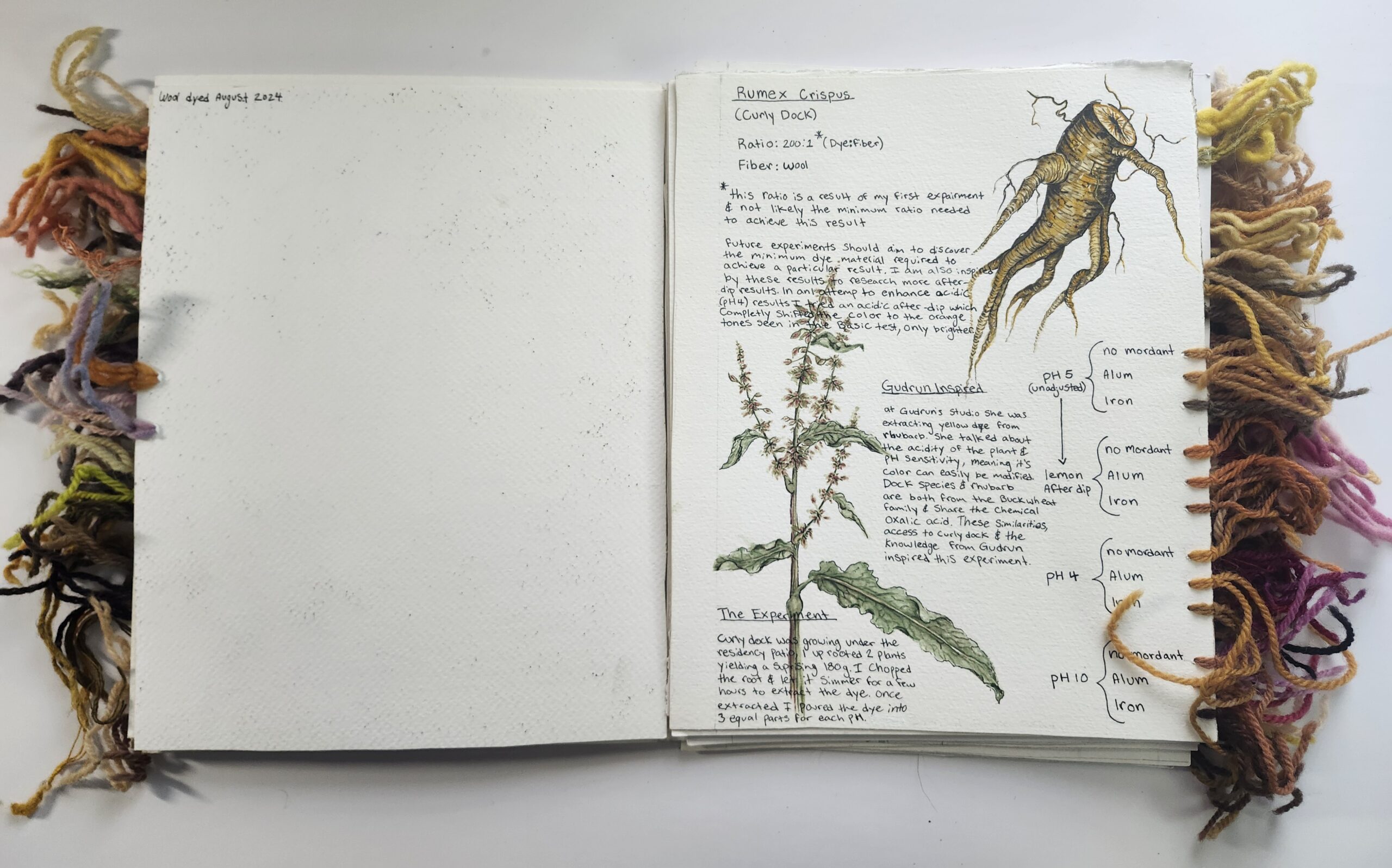
Her practice was shaped through mentorship with Allisa Allen during the Fungivor Residency, a knowledge mobilization initiative exploring mycology-based dyes with Indigenous communities in Oaxaca, Mexico. This experience inspired her Dyers Grimoire project and led to a Canada Council for the Arts grant supporting a residency in Northern Iceland. Her dye research received the Canadian Colour Research Society Award and has remained central to her practice since graduating from York University with a Bachelor of Fine Arts (Honours) in 2024.
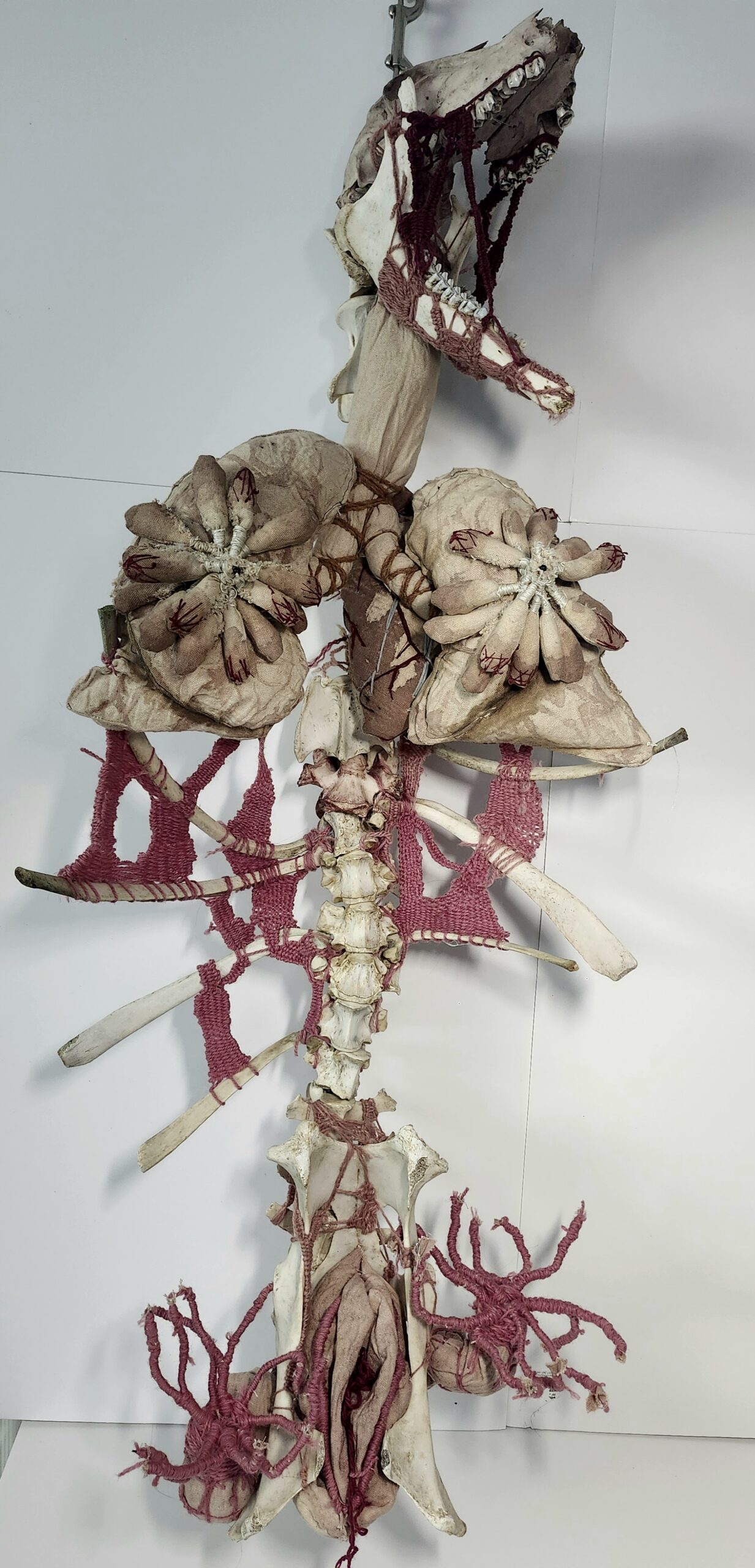
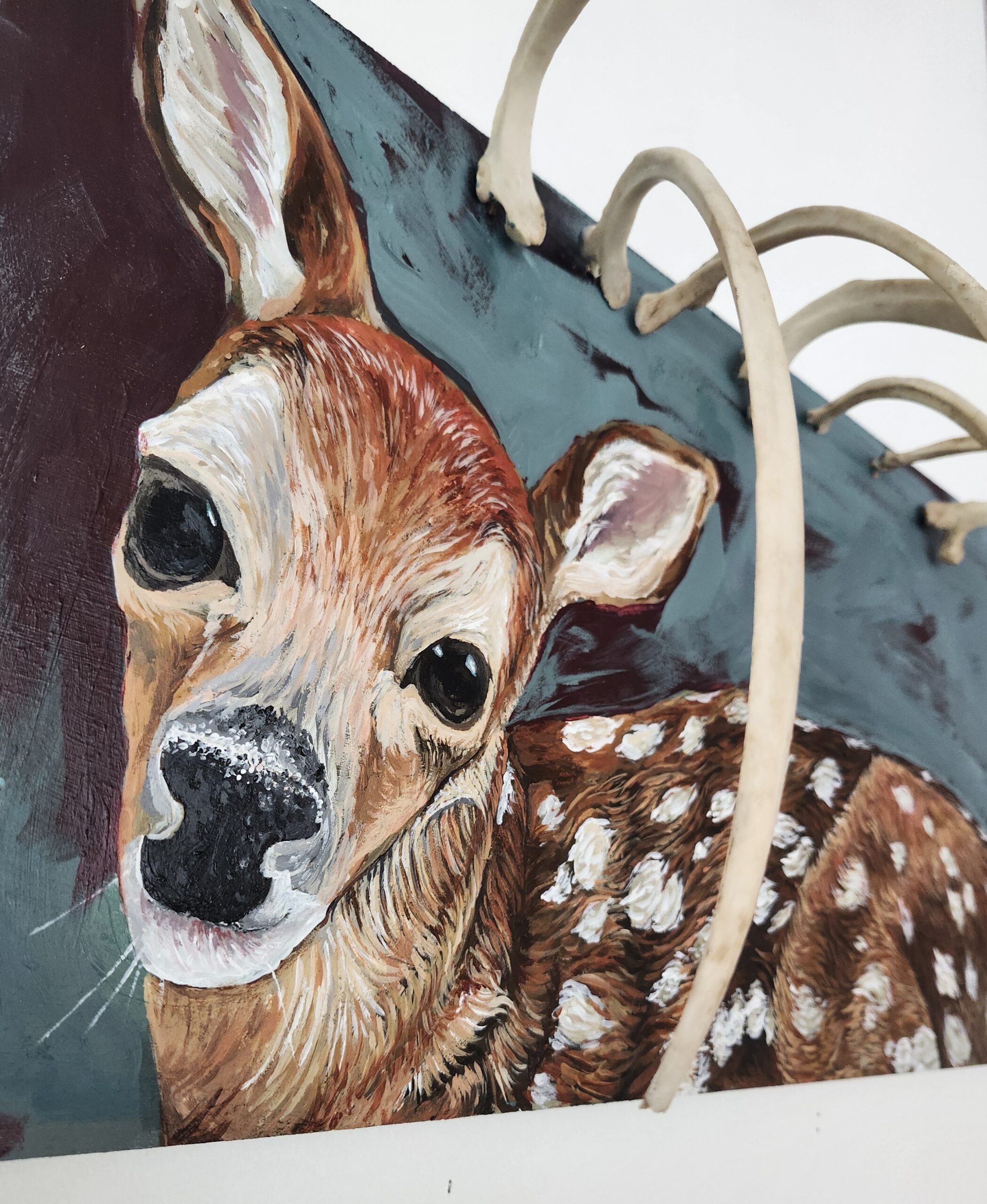
Hancock’s work has also been recognized through the City of Barrie’s Emerging Artist Award, the BMFA’s Murray J. Clerkson Award, MacLaren Art Centre’s Benefactor Night, and public installations. She currently serves as Curator at Quest Art School + Gallery, where curatorial practice and interdisciplinary collaboration continue to inform her artistic work.
Explore the Artistic Journey
Sarah's Art
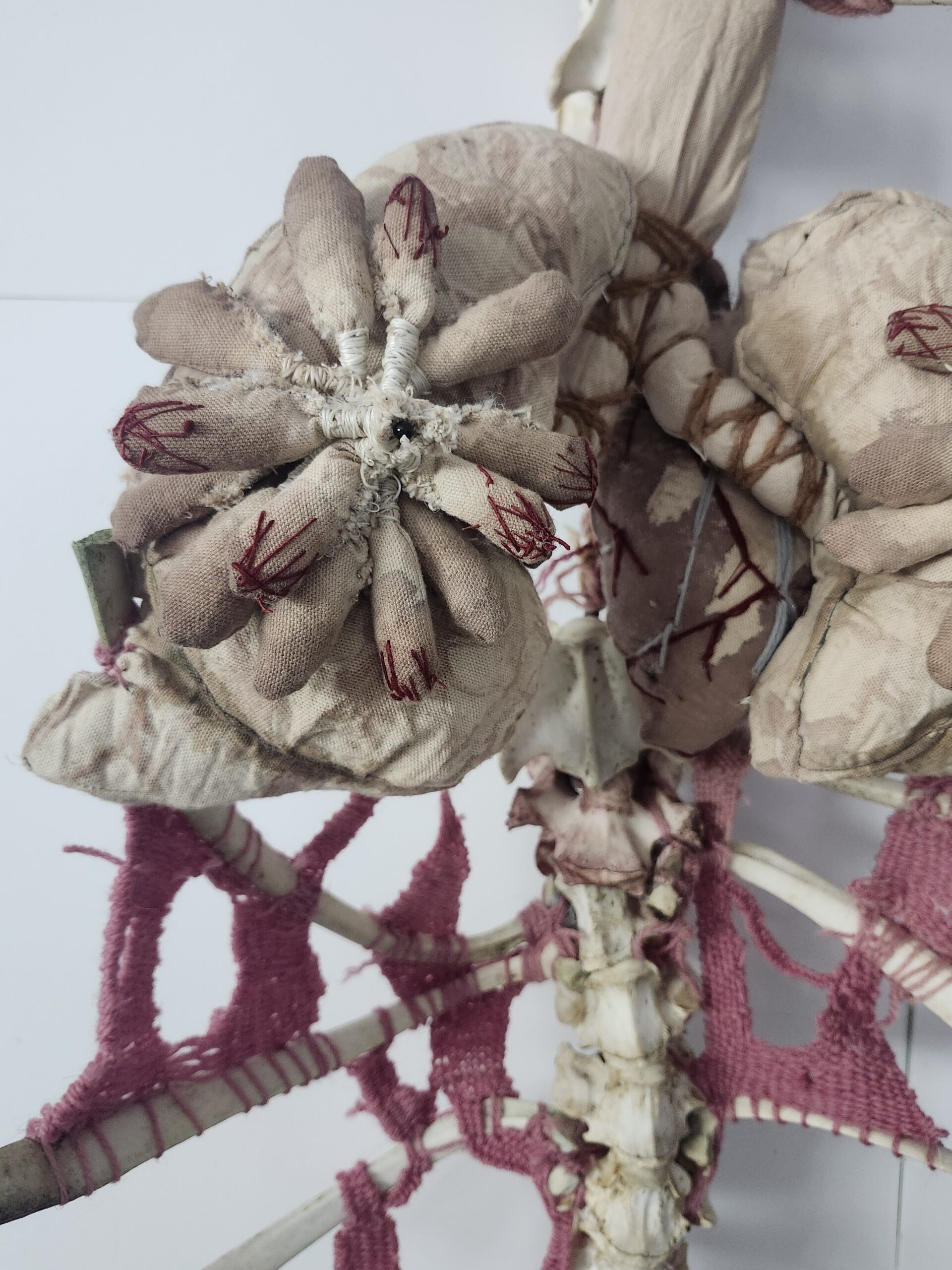
Work In Progress
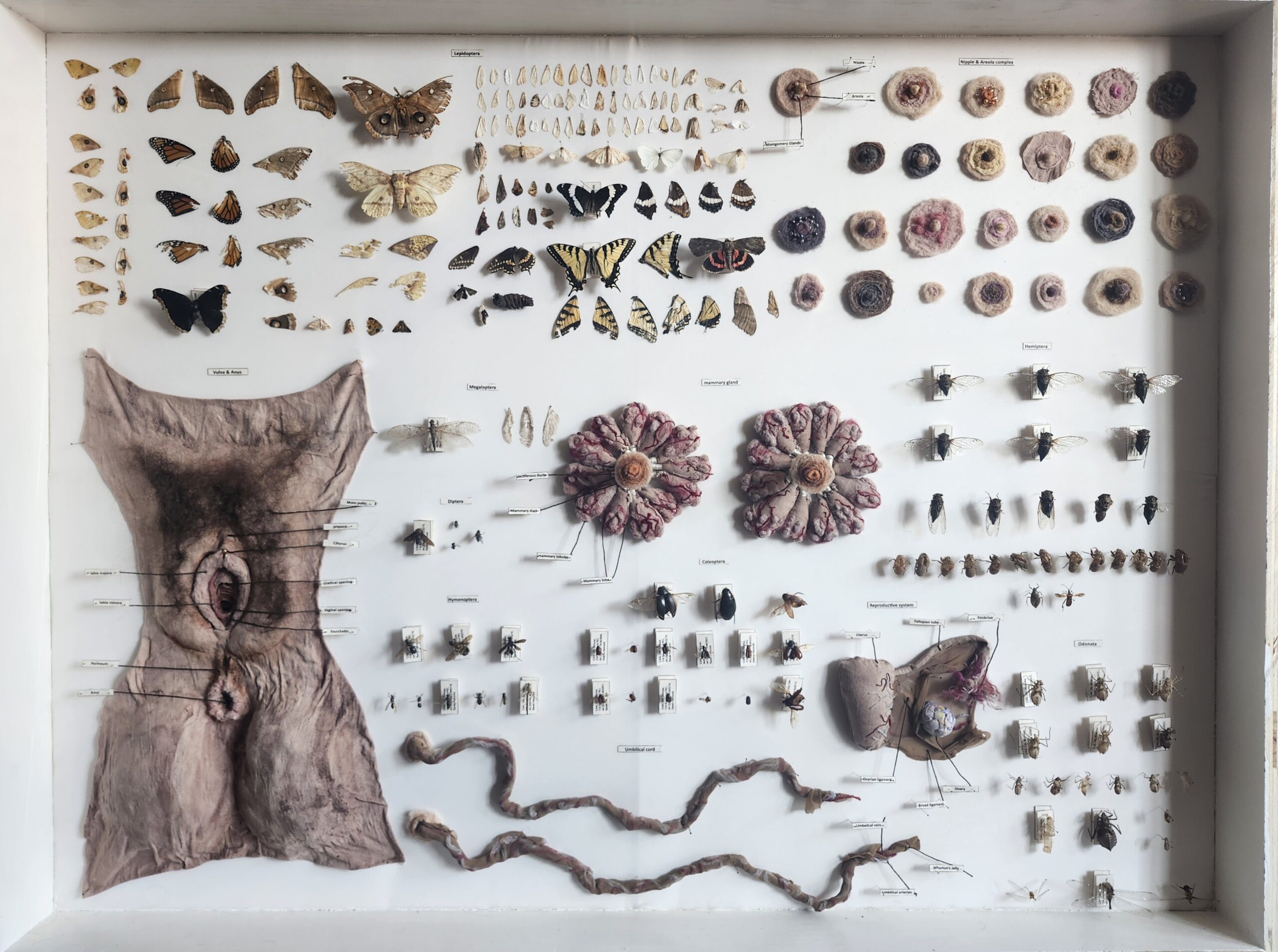
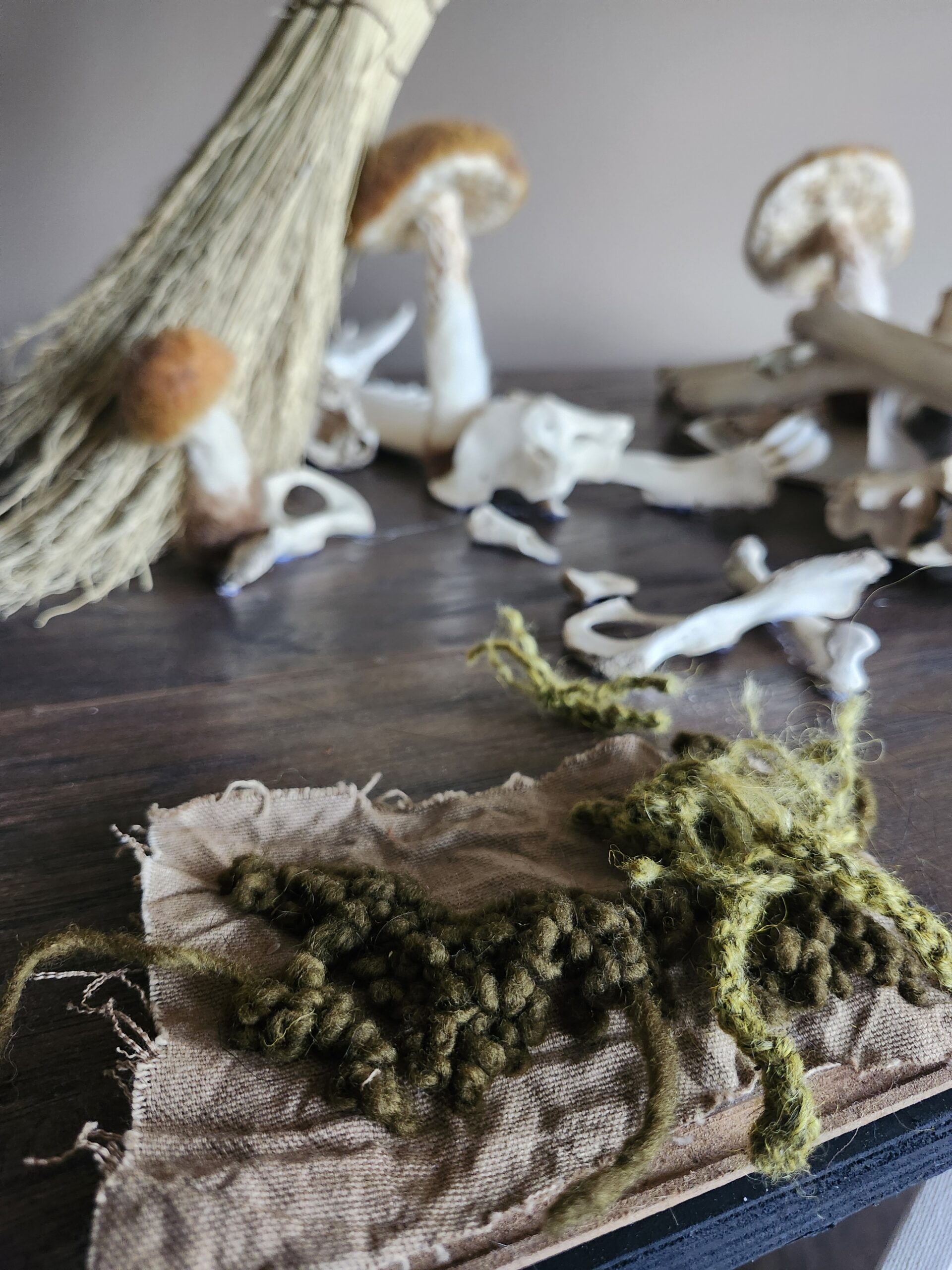
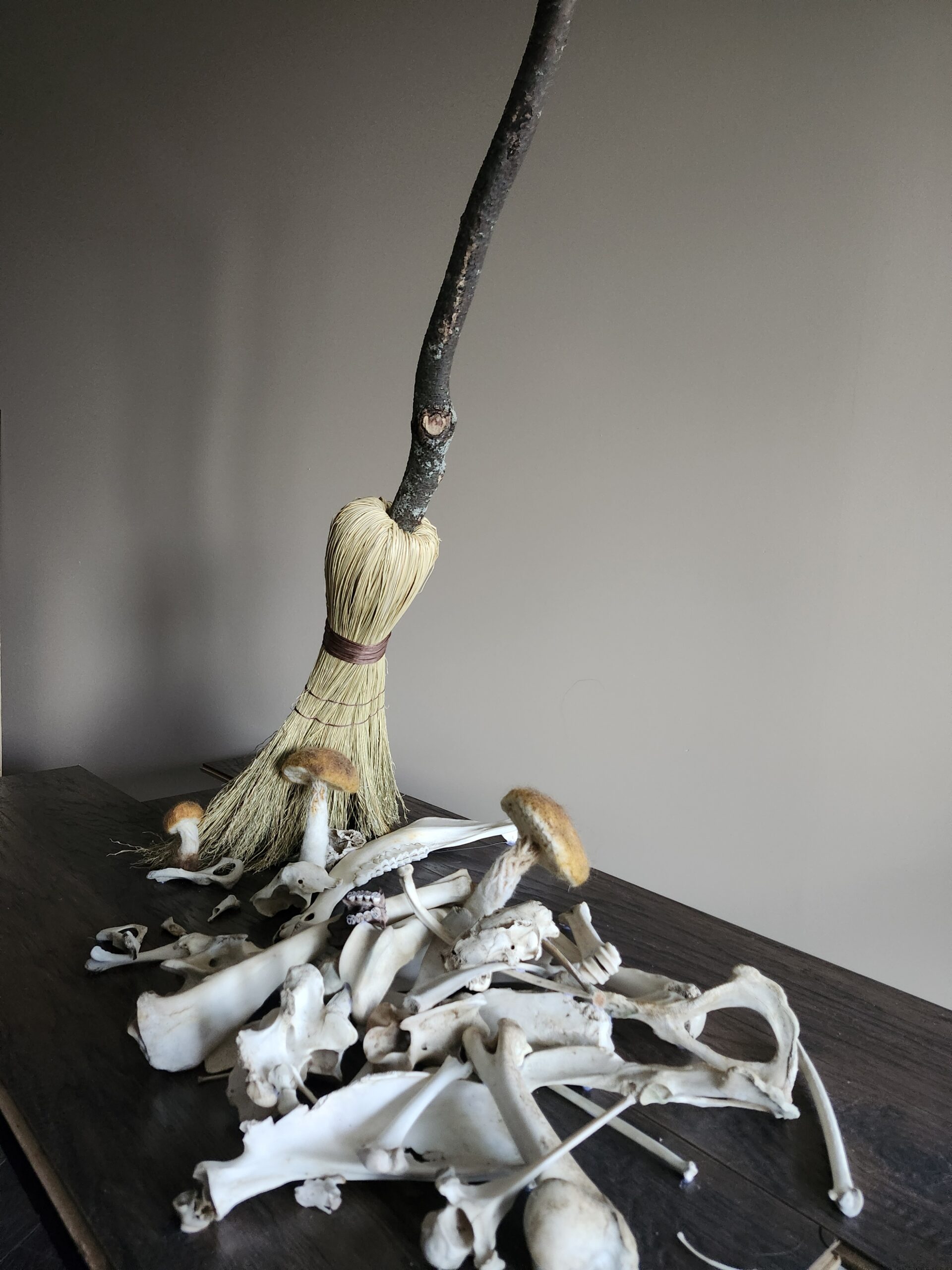
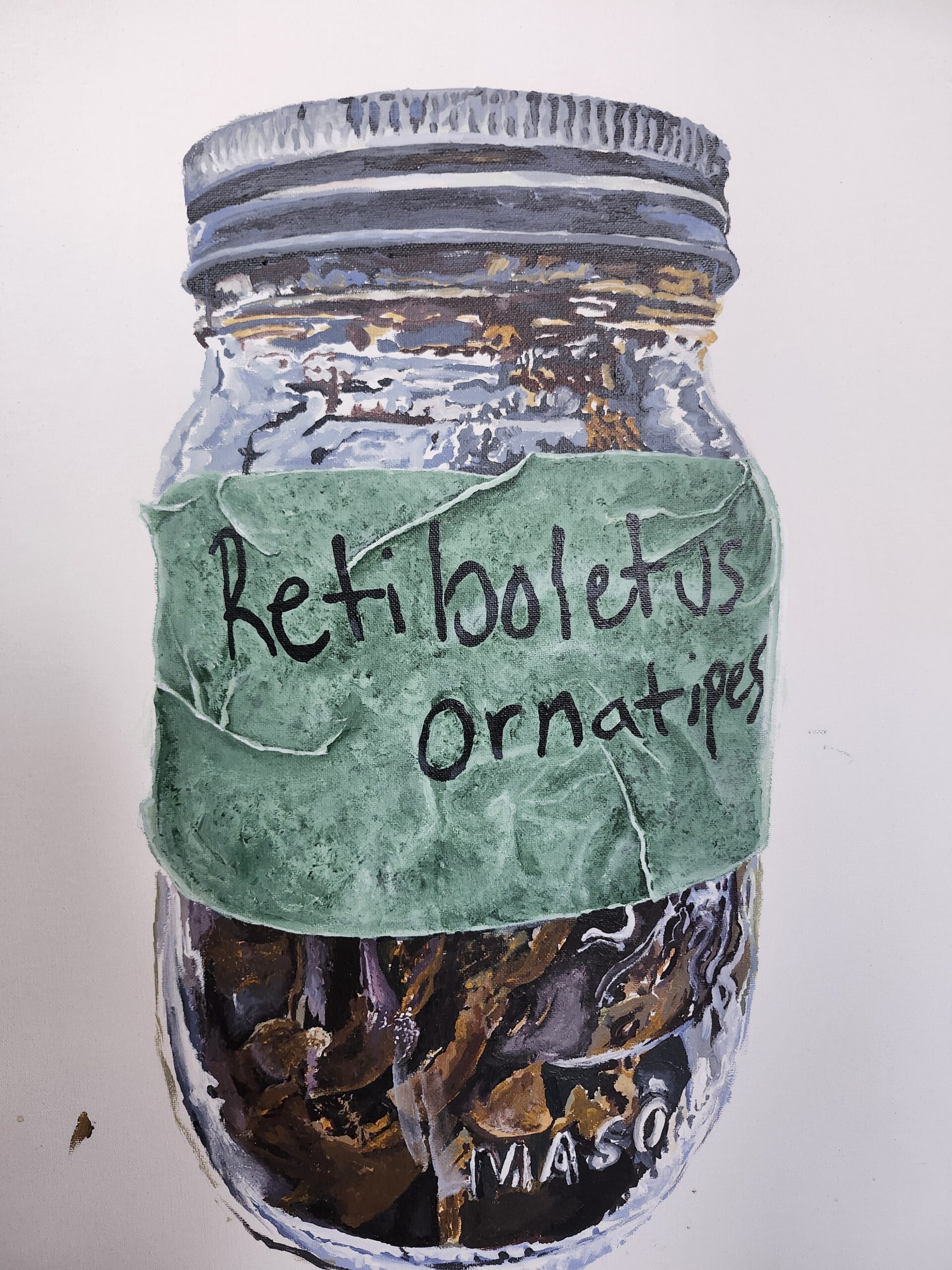
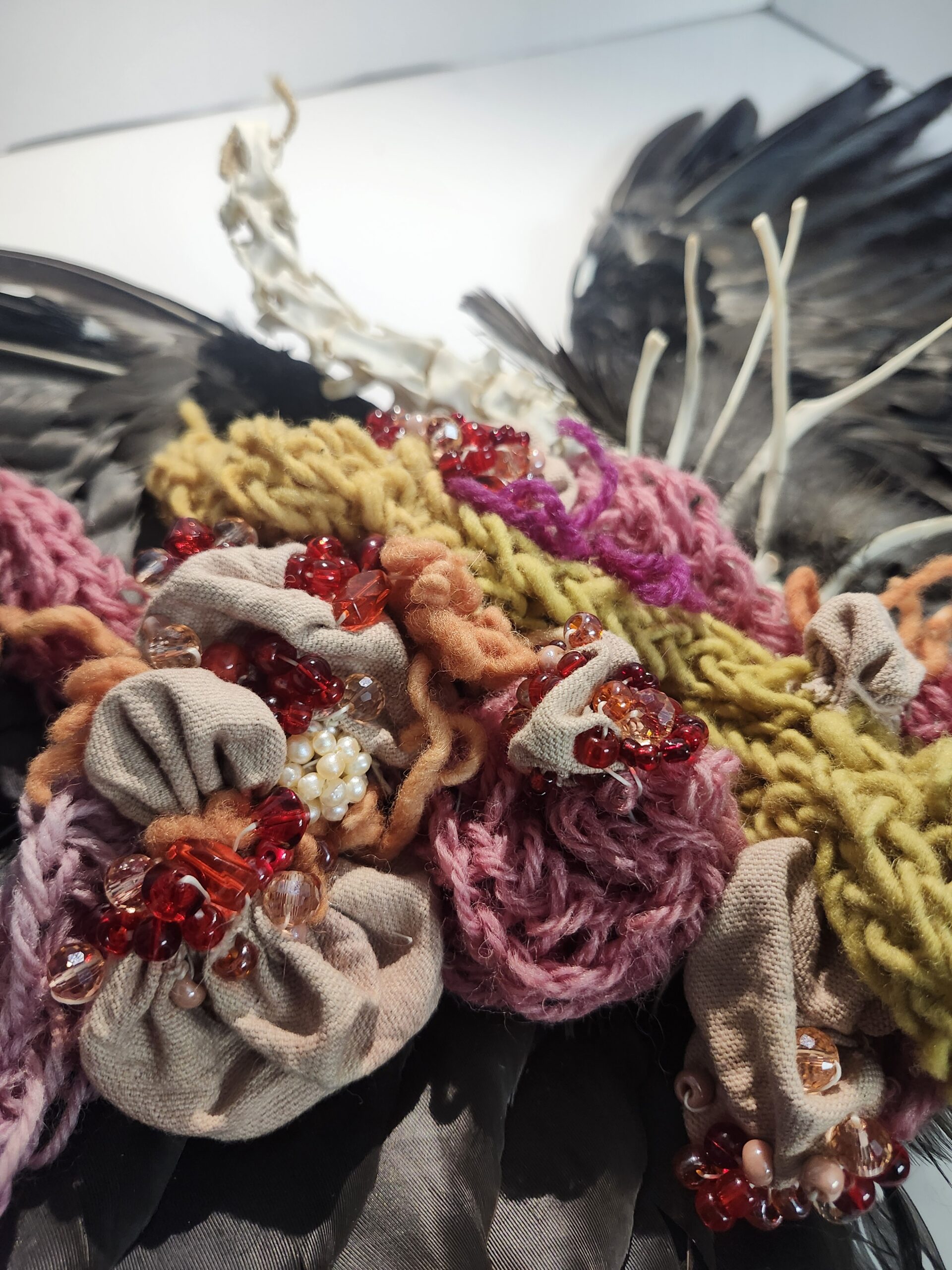
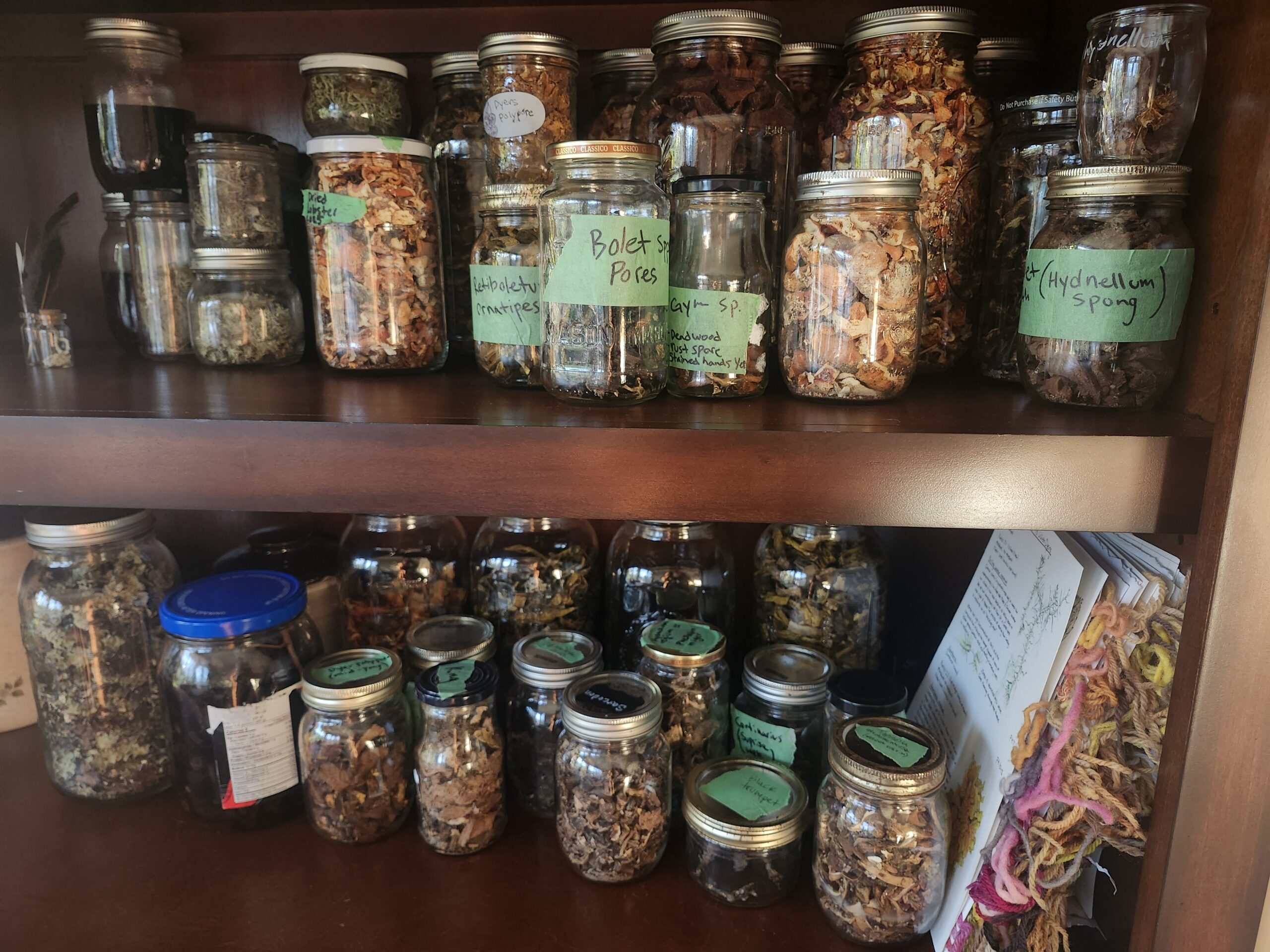
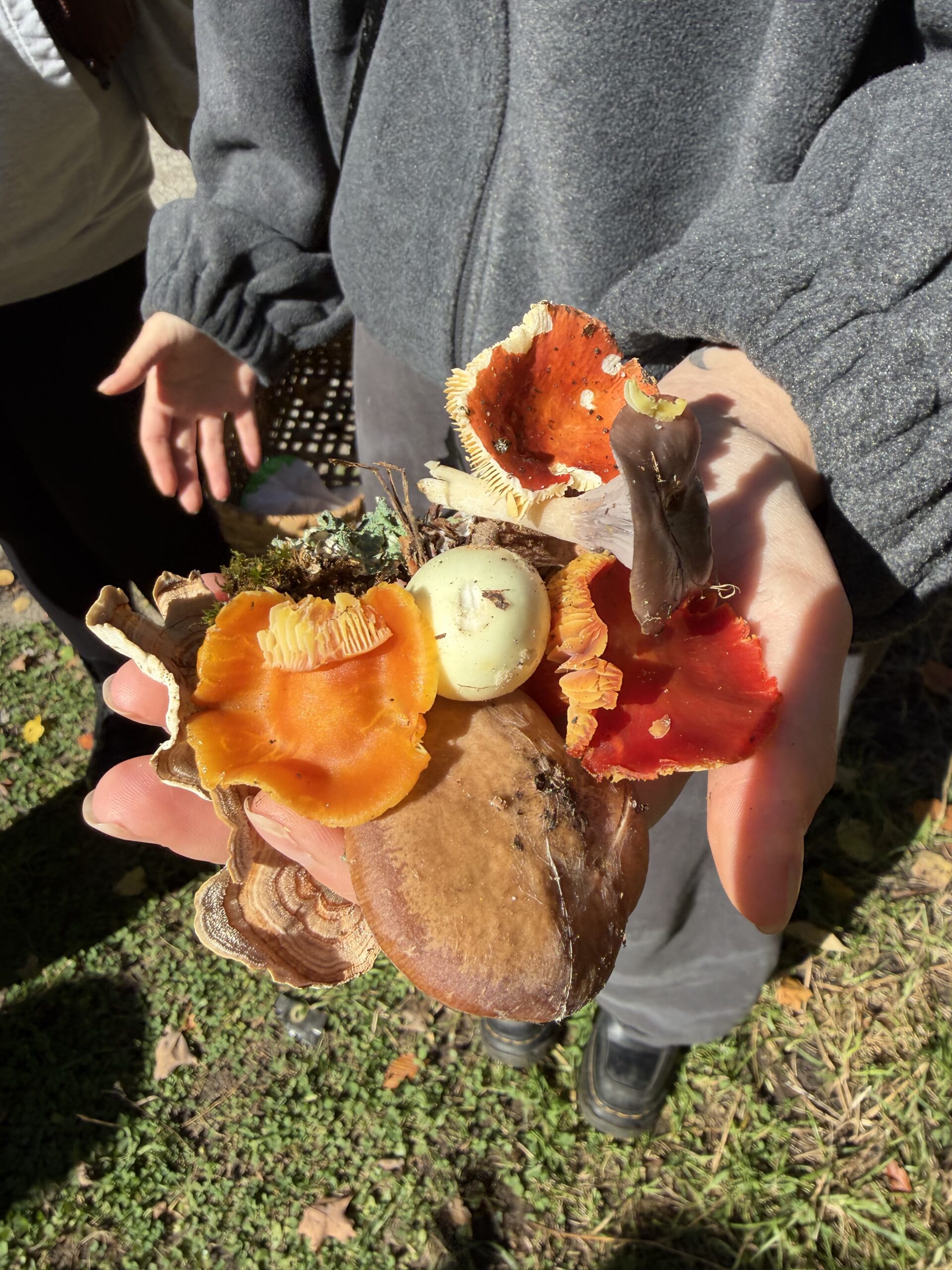
From July into late October, a diverse range of fungi begin fruiting, many of which I forage for their amazing, hidden pigments. Natural dyeing has been at the core of my art practice since graduating, largely because it sits at an intersection between the domestic sphere and the natural world. At this time of year, that intersection becomes especially active: all hands are on deck, and foraging becomes my top priority.
In order to collect enough fungi to sustain my practice throughout the year—and enough material to produce substantial quantities of dye—I spend these four fruitful months dehydrating and freezing hundreds of specimens. What I gather during this short window becomes a kind of seasonal archive, stored away to be transformed into colour throughout the rest of the year.
As with all foraging practices, ethics remain central to the way I collect. With fungi, however, the impact of harvesting the visible fruiting bodies is relatively minimal. What we see and collect above ground is only a small part of a much larger organism living beneath the surface, and carefully harvesting the fruiting body has little to no effect on the health of the organism—much like picking fruit from a tree.
Because of this, one of my biggest concerns while foraging is not harming the smaller creatures that share these habitats. In particular, I take great care to ensure that no slugs are harmed while picking. For me, ethical foraging is about paying attention: to the ecosystem, to what I am taking, and to the life that exists alongside it.
Community Involvement & Workshops
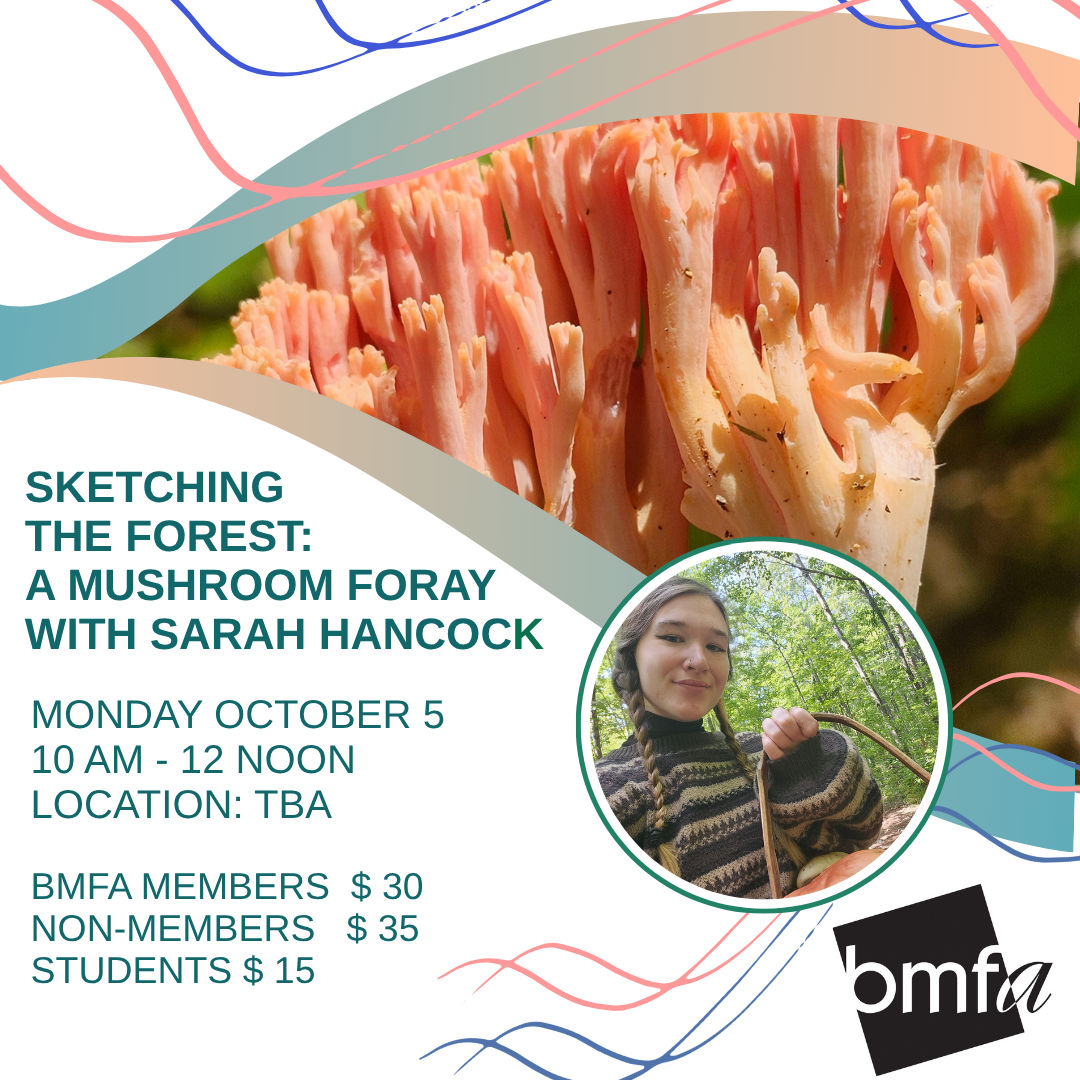
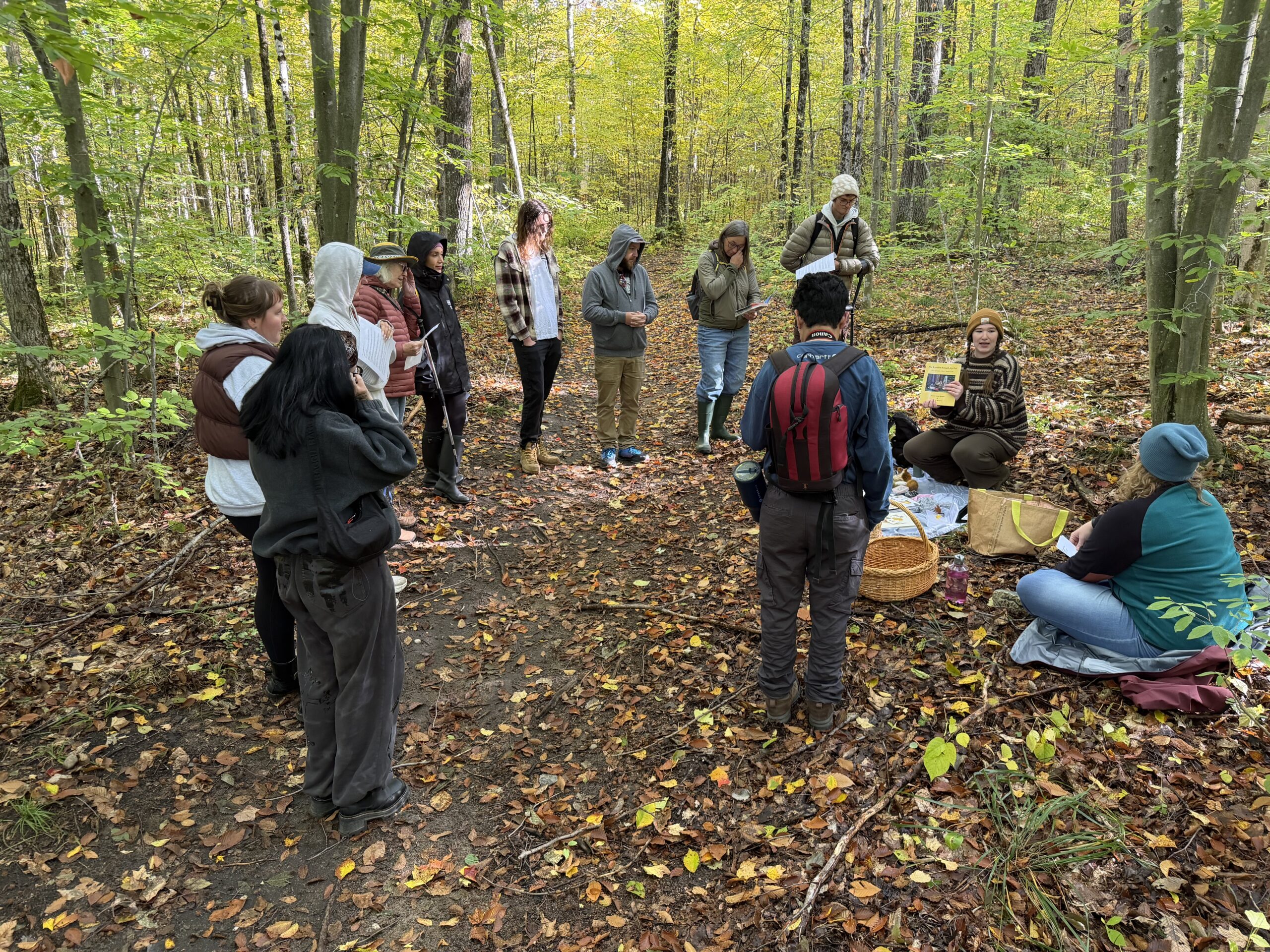
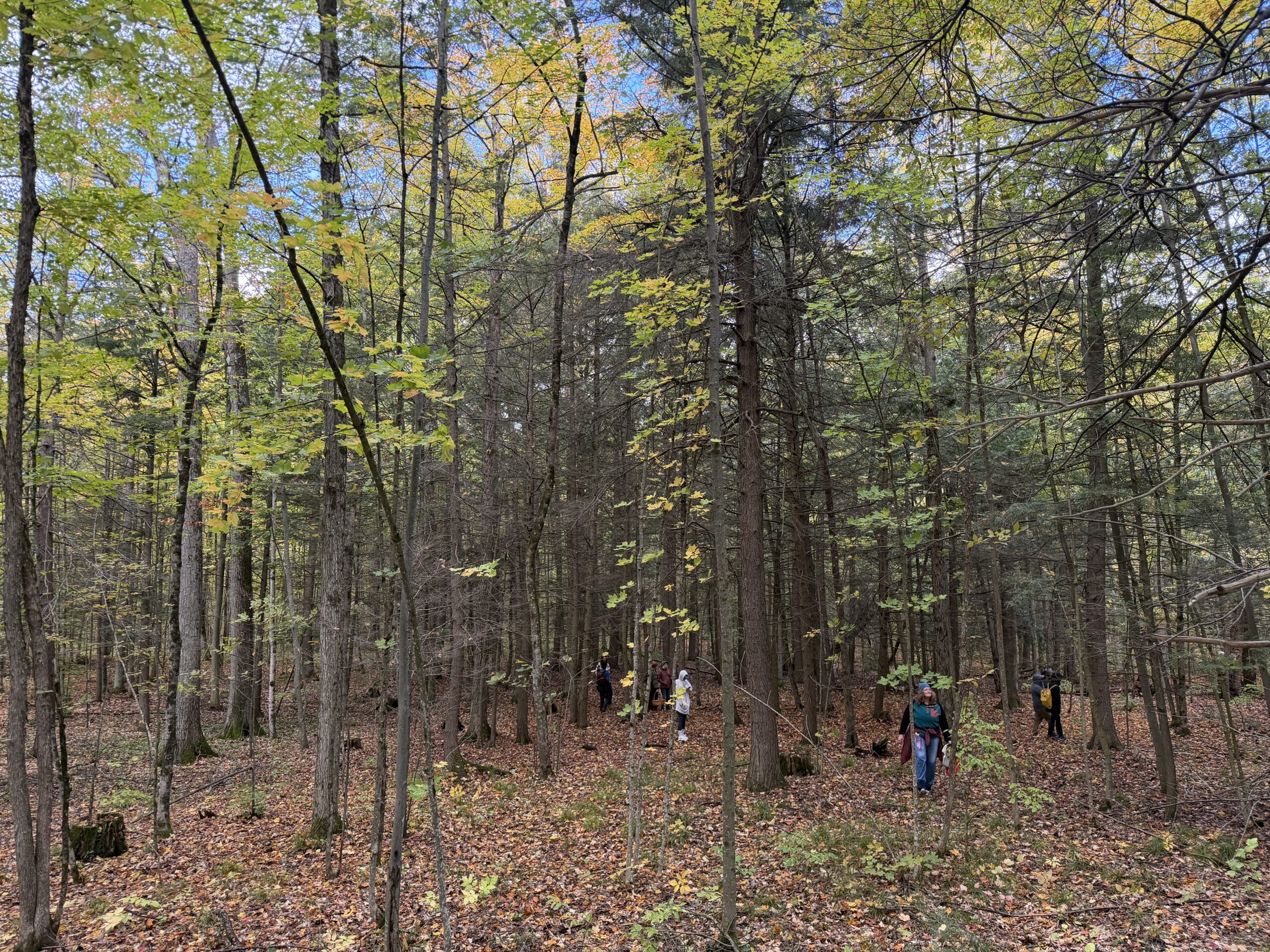
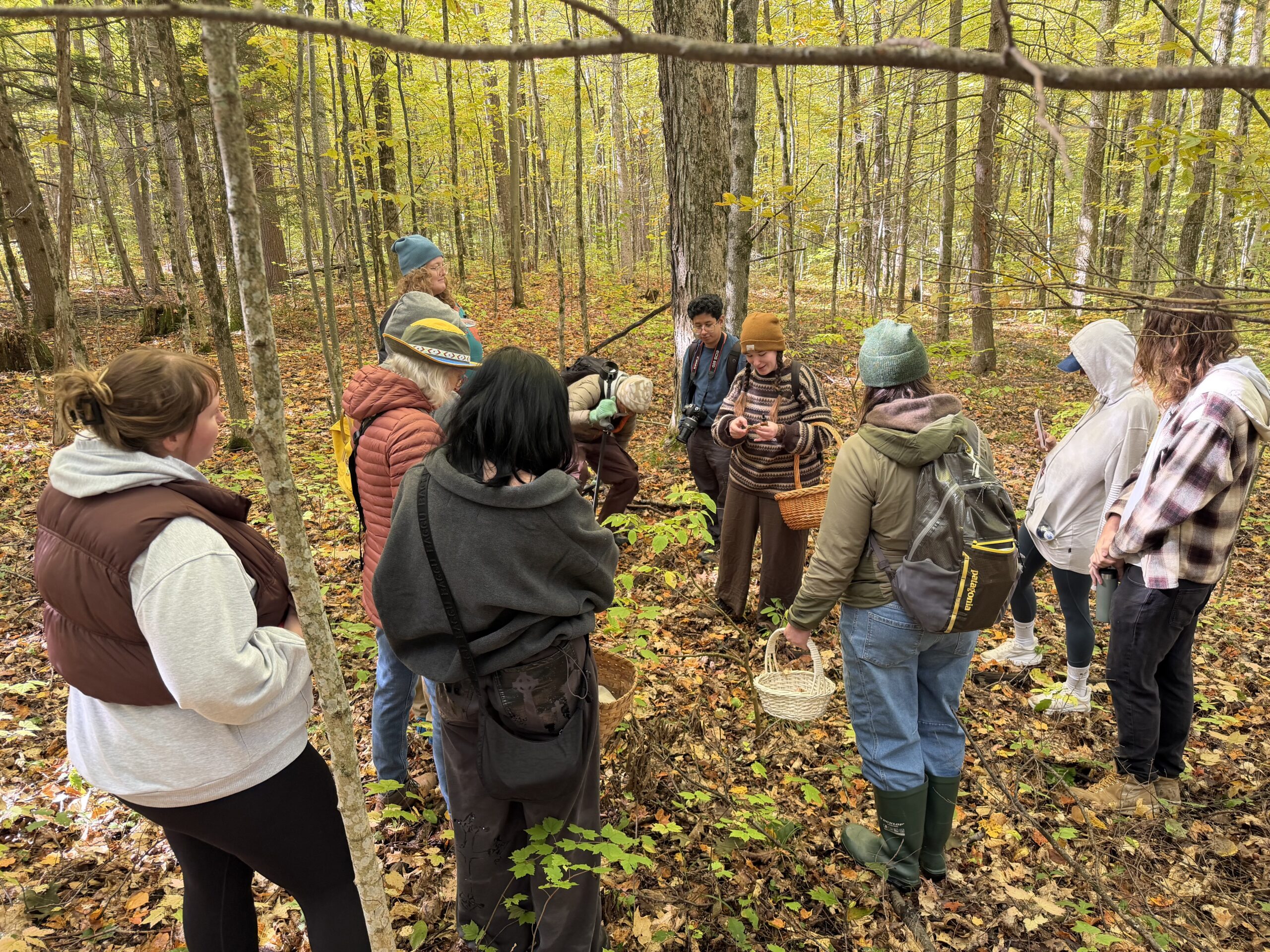
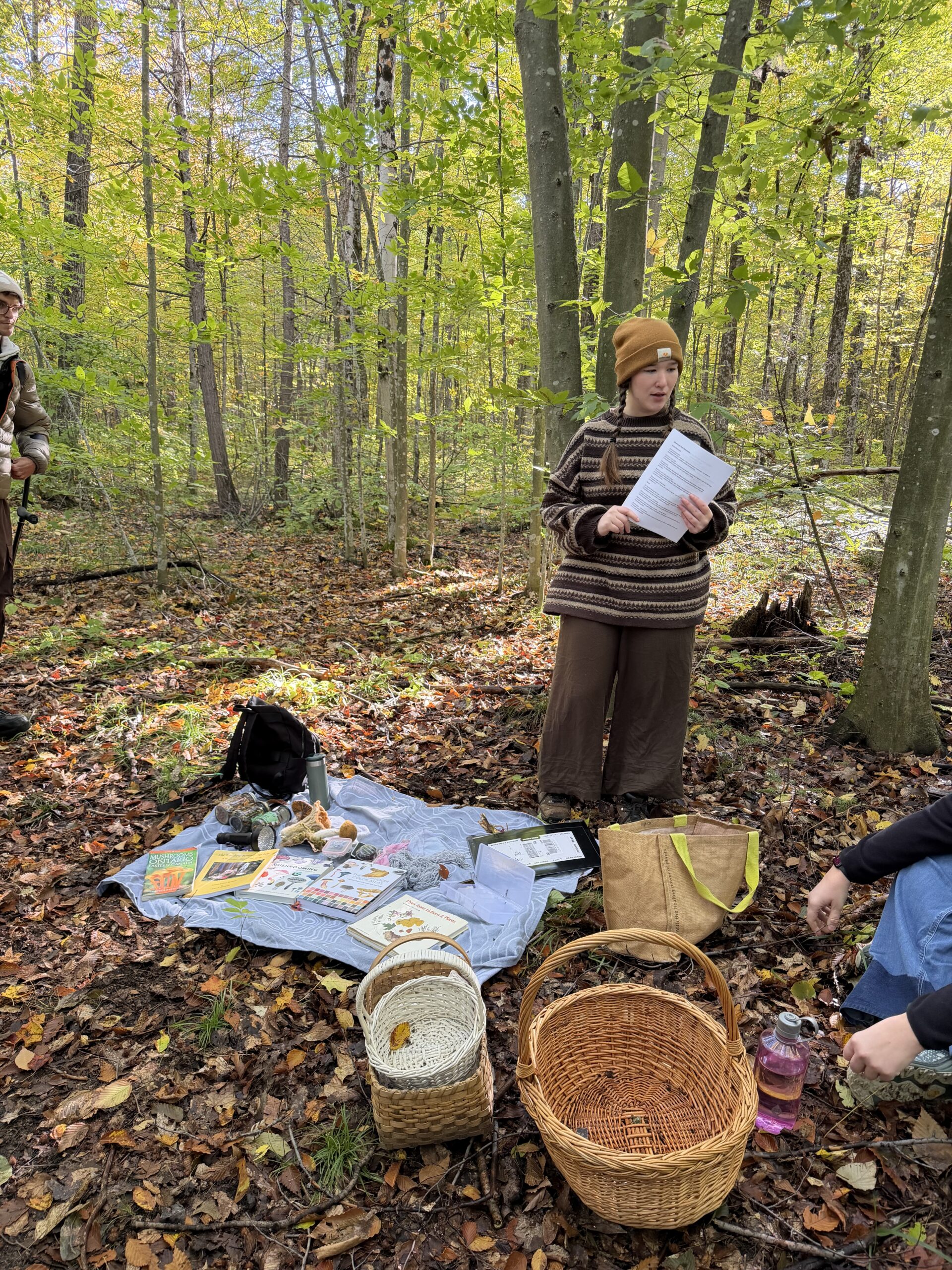
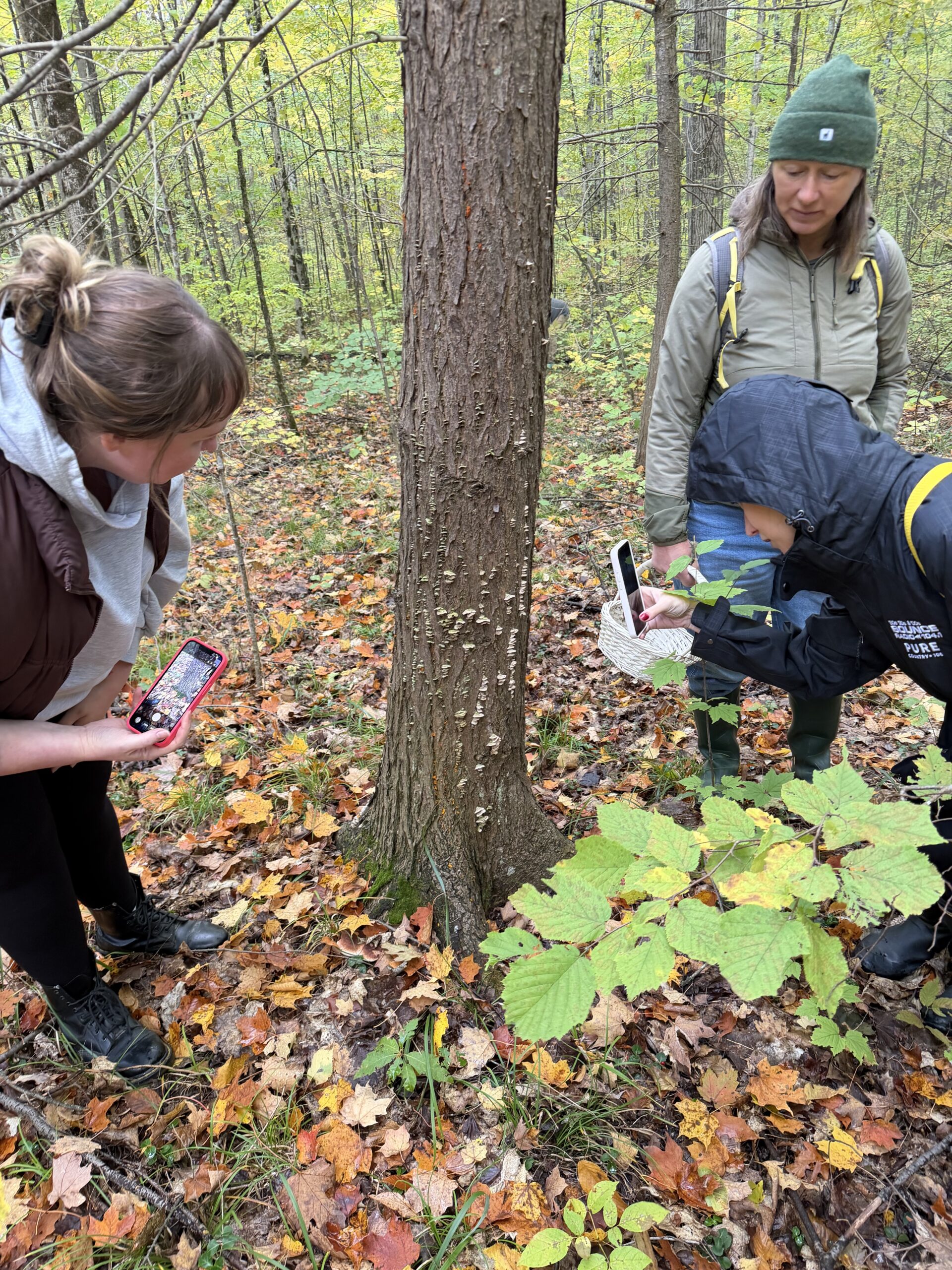
For this special Sketching the Forest foray, grab your sketchbook and follow Sarah into the woods as she searches for dye mushrooms. As the group walks, you’ll be encouraged to stop and sketch along the way—capturing the diverse colours, textures, shapes, and intricate details of the mushrooms you encounter. Slow down to make a quick study of a mushroom’s unique features, or sketch while Sarah shares stories about identification, mycorrhizal relationships, and the role these fascinating organisms play within the forest ecosystem.
This is a chance to let the landscape guide your sketchbook practice. Notice the unexpected colours emerging from the forest floor, study the textures of a mushroom up close, or pause to draw as Sarah examines a specimen for its potential as a natural dye. Through this process of walking, observing, sketching, and foraging, participants will experience the landscape as both subject and source of inspiration.
Whether you are an experienced plein air artist, an avid sketcher, or simply curious about mushrooms and the pigments hidden within the landscape, this two-hour artist-led foray offers a chance to see the woods through a new lens.
See more of Sarah's work: